
Early signs of water contamination most homes ignore until illness appears

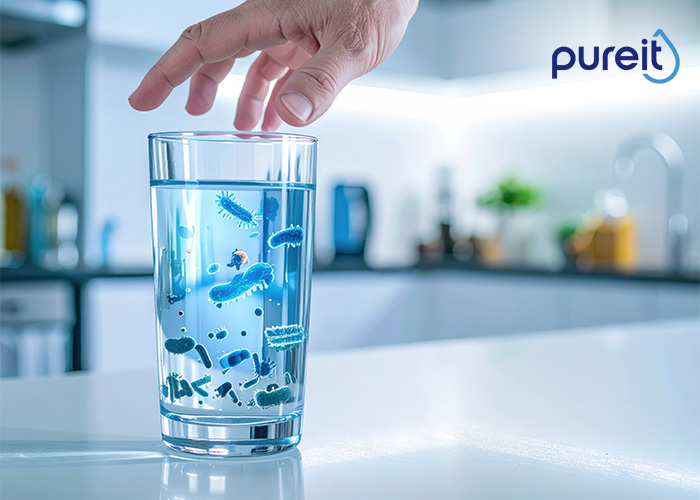
Water contamination rarely announces itself with dramatic changes. In most homes, it begins subtly. The water may look clear. It may not smell unpleasant. It may even taste normal at first. Because of this, early warning signs are often ignored until someone in the household falls sick.
The concern is not limited to rural areas. Even urban households receiving municipal supply, tanker water or borewell water may face varying degrees of water contamination due to ageing infrastructure, leakage in pipelines, or environmental pollutants.
Understanding the early signs of contamination can help prevent long-term health risks.
Subtle signs of water contamination
Water contamination does not always result in visibly dirty water. Instead, small indicators may appear over time.
1. Change in taste
If your drinking water suddenly tastes salty, metallic, bitter or slightly different from usual, it could indicate elevated Total Dissolved Solids (TDS) or dissolved metals. Metallic taste may suggest the presence of iron, lead or other heavy metals entering through old pipes.
Taste changes are often dismissed as temporary, but consistent alteration should not be ignored.
2. Cloudiness or floating particles
Slight turbidity, suspended particles or sediment settling at the bottom of a glass may indicate physical contamination. While minor sediment can occur after supply disruptions, persistent cloudiness may point to pipeline disturbance or storage contamination.
3. White scaling on utensils and taps
White deposits on kettles, taps and cooking vessels suggest high mineral content or hard water. Although hardness itself may not always cause disease, elevated mineral levels can indicate broader water quality issues.
4. Frequent mild stomach discomfort
Occasional bloating, mild nausea, irregular bowel movements or unexplained stomach discomfort in multiple family members may be linked to microbial contamination. These symptoms are often attributed to food, but drinking water may be a contributing factor.
5. Foul smell from stored water
A musty, earthy or chlorine-like odour from stored water may indicate bacterial growth or chemical imbalance. Storage containers and overhead tanks can become breeding grounds if not cleaned regularly.
These subtle signs collectively suggest potential microbial or chemical water contamination.
Storage tanks can worsen the issue
Even if water leaves a treatment plant in safe condition, contamination can occur during distribution or storage.
Common risk factors include:
- Cracked or leaking municipal pipelines
- Mixing of sewage during heavy rains
- Uncovered or poorly maintained overhead tanks
- Biofilm buildup inside storage tanks
- Long storage periods without circulation
During monsoon, the risk of contamination increases due to flooding and pipeline leakage. In summer, reduced water levels can concentrate dissolved salts and contaminants.
Regular tank cleaning is essential. However, storage hygiene alone may not eliminate dissolved impurities or microorganisms.
Long-term exposure risks
Short-term exposure to contaminated water may cause mild symptoms. However, repeated exposure increases health risks.
WHO highlights that long-term consumption of contaminated water can contribute to gastrointestinal infections and other health complications. Children, elderly individuals and people with weakened immunity are particularly vulnerable.
Symptoms that may indicate ongoing exposure include:
- Recurrent diarrhoea
- Vomiting
- Fatigue
- Dehydration
- Loss of appetite
Waiting for severe symptoms before acting can put families at risk.
How a water purifier helps?
A modern water purifier provides multiple layers of protection by addressing both microbial and chemical contaminants.
Technologies such as Reverse Osmosis (RO), Microfiltration (MF) and activated carbon filtration help reduce dissolved solids, heavy metals and physical impurities. UV technology helps reduce microbial contamination.
For example, Pureit Vital Max features FiltraPower Technology designed to reduce industrial pollutants and pathogens. Its Eco Recovery Technology supports purification efficiency while helping conserve water.
A properly maintained purifier works continuously to reduce contaminants before water is consumed.