
Why recurrent diarrhoea isn’t always about food and what water has to do with it?

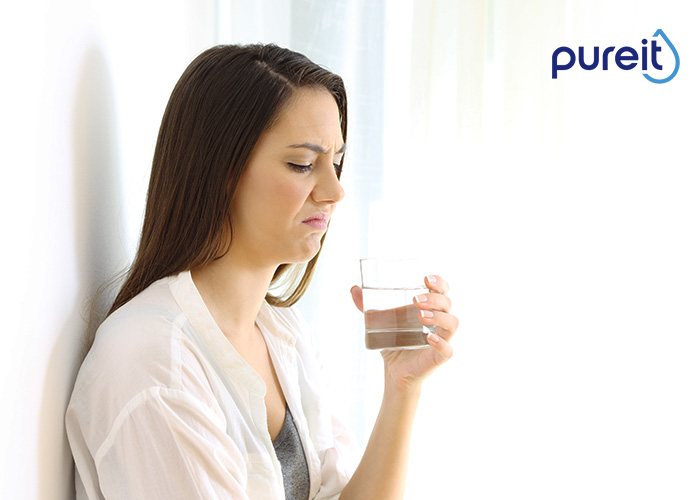
Recurrent diarrhoea in the family is often blamed on outside food, oily meals, or poor hand hygiene. While food contamination is common, what many households overlook is the role of drinking water. Even when meals are home-cooked and hygienic, unsafe water can silently cause repeated stomach infections.
According to the World Health Organization (WHO), contaminated drinking water is a major cause of diarrhoeal diseases worldwide. WHO estimates that unsafe water, sanitation and hygiene are responsible for approximately 485,000 diarrhoeal deaths each year.
The Centers for Disease Control and Prevention (CDC) also confirms that pathogens such as E. coli, Giardia, Cryptosporidium, and rotavirus are commonly transmitted through contaminated water.
If members of your family frequently experience loose motions, stomach cramps, nausea, or dehydration despite eating safe food, your water source may need attention.
How water becomes contaminated at home
Water contamination does not only occur at the source. It can happen during distribution or storage.
- Municipal pipelines may be old and corroded.
- Leakages may allow sewage mixing during heavy rains.
- Borewell water may contain high Total Dissolved Solids (TDS) or heavy metals.
- Tanker water may not always undergo adequate treatment.
- Overhead storage tanks may not be cleaned regularly.
Clear-looking water does not guarantee safety. Many harmful microorganisms and dissolved contaminants are invisible.
Why boiling may not solve the entire problem
Boiling water can help kill bacteria and viruses. However, it does not remove:
- Heavy metals such as lead, cadmium, and chromium
- Excess dissolved salts
- Pesticide residues
- Industrial pollutants
Repeated exposure to heavy metals over time may have health implications. This is why comprehensive purification becomes important.
Waterborne diseases and recurring infections
WHO states that waterborne diseases like cholera, dysentery, and typhoid spread through unsafe water. Children under five years of age are particularly vulnerable to repeated diarrhoeal episodes, which can affect nutrition and immunity.
Even mild but frequent diarrhoea can lead to:
- Weakness
- Dehydration
- Reduced appetite
- Poor nutrient absorption
If these symptoms improve when travelling to a different city but reappear at home, it may indicate a water quality issue.
How a water purifier helps reduce risk
A reliable water purifier combines multiple purification technologies to address both microbial and chemical contaminants.
For households receiving mixed water sources such as borewell, tanker and municipal supply, Pureit Revito Prime Mineral offers a 7-stage purification process. Its RO membrane is tested for reduction of heavy metals such as cadmium and chromium (as per WQA certification). The in-tank UV sterilisation helps reduce microbial contamination even after purification.
This multi-layer protection supports safer drinking water every day.
Signs your water may be the issue
Consider evaluating your water if:
- More than one family member falls sick frequently
- Water tastes metallic or salty
- White scaling appears on utensils
- Stomach issues persist despite hygienic food habits
Installing an advanced water purifier ensures removal of dissolved impurities while retaining essential minerals.
Prevention is always better than treatment
Treating diarrhoea repeatedly is stressful for families. Instead of guessing whether food is responsible, it is important to review the quality of your drinking water.
Safe hydration is not optional. A properly maintained water purifier helps reduce exposure to contaminants and lowers the risk of waterborne diseases.
Recurrent diarrhoea is not always about what is on your plate. Sometimes, the real cause is in your glass.